Ministry of Social Affairs, Health, and Integration:
This government department is responsible for dozens of essential services for residents of Baden-Wurtemberg State which includes Stuttgart. It serves as a one stop shop for families, health, social security, support for people with disabilities, migrants, and equal rights/anti-discrimination. There were mixed reactions to the presentation from government officials especially about integration. Their goals on integration seemed to be a cover for migrant assimilation. It also demonstrated the government’s bureaucracy, and inability to be effective in really supporting the needs of different migrant groups.


DAZ German-American Center:
DAZ offers a unique opportunity for both countries (German and U.S), to build better relationships by learning and understanding each other. They do this through collaboration and bringing organizations from both countries into the same space to share perspectives about politics, culture, and life. For Germans who are interested in learning more about current events and issues in the U.S, DAZ offers classes to learn English, and on topics like racism and politics in sports, the civil rights movement and Black Lives Matter, gun violence, and more. There’s also events with authors, artists, and speakers for Germans or any English speaker to connect and have meaningful conversations about their experiences.
BFDA Anti-Discrimination Office Stuttgart:
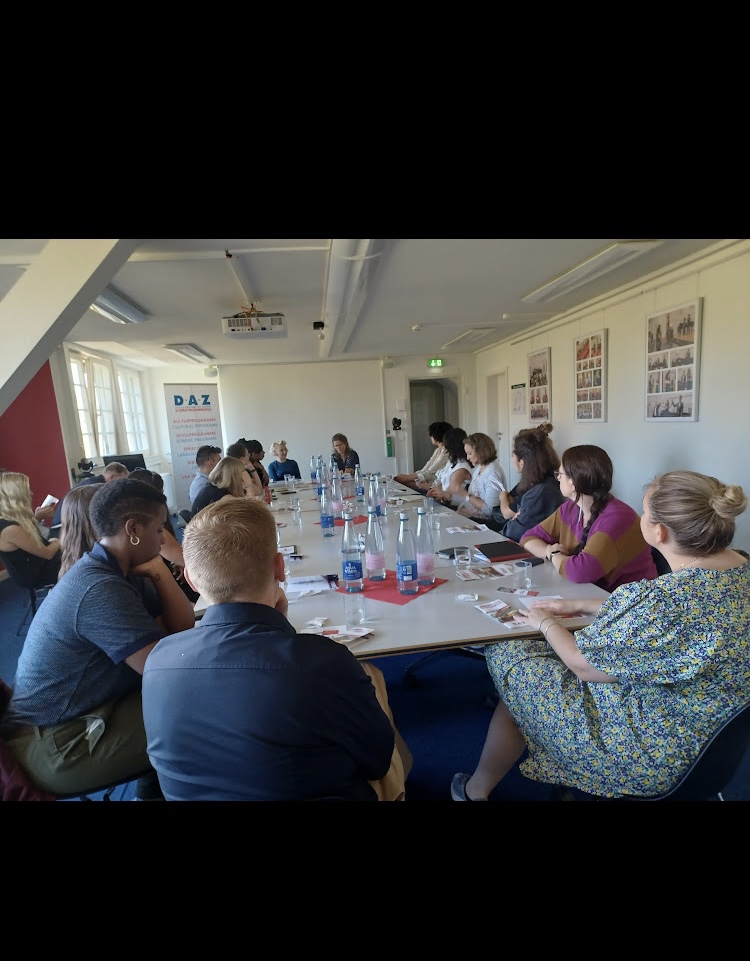
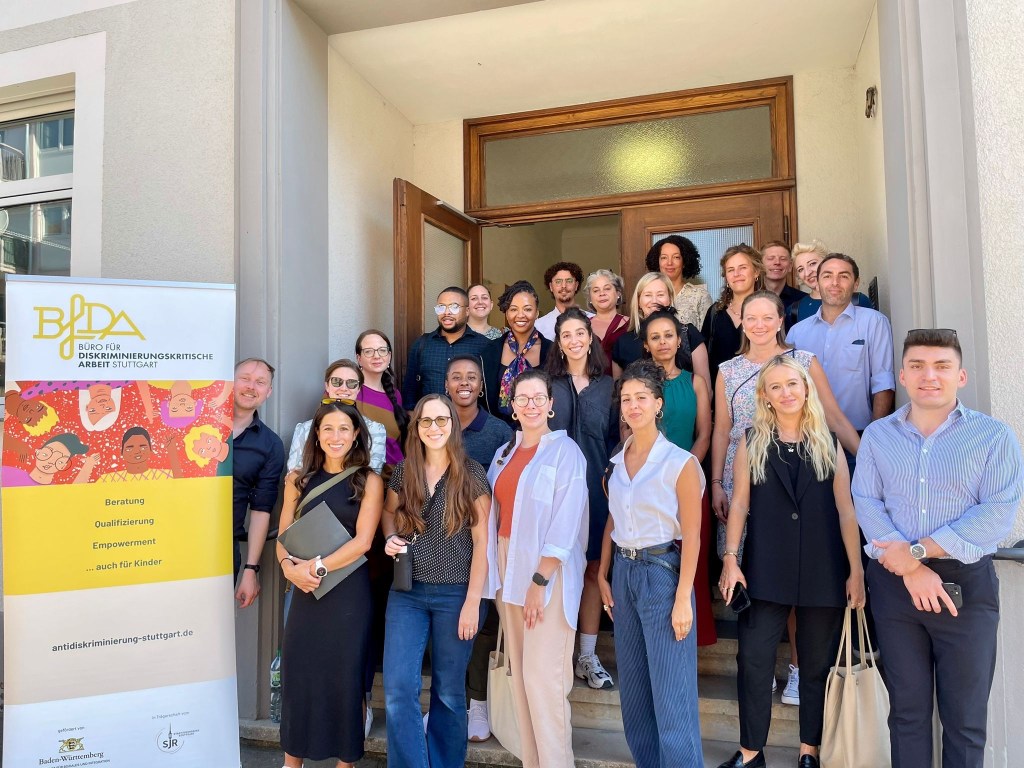
BFDA was created in 2016 with 9-10 offices in the state. Their main goal is to support people who experience discrimination in the Stuttgart region. BFDA offers legal support, counseling, and advice on different topics. Their staffs mentioned to us that most of their work is intersectional (involving people who experience discrimination across multiple identities). BFDA also offers workshops for schools, private companies, and government officials. They have partnerships with other groups across Europe on anti-discrimination projects involving different issues such as migration, xenophobia, anti-black racism, and anti-semitism.
During our time to ask questions, staff told us that German laws on anti-discrimination are weak. The window to report discrimination is only two months. Refugees often need different types of support including counseling about their legal status and guidance on how to make a claim for a case. For workplace discrimination, companies are required to have a liaison that employees can go to for complaints, but most smaller companies in Germany don’t have liaisons. The EU made Germany create an anti-discrimination law as a member country. There was no interest by the German government in creating or enforcing any anti-discrimination laws. Currently there is also no law that fights structural racism or discrimination. Most of the protections in place are individual. Remedies for victims often take long due to bureaucracy and barriers. Laws vary in different states, but cities tend to have stronger laws that protect vulnerable classes. The most common types of discrimination that are reported include racial profiling, nationality/refugee discrimination, and workplace discrimination.


Leave a Reply